
"moisture content"
1000 article(s) found

Sumatra Coffee Manor Flavor description Taste Grinding Calibration method
Sumatra Coffee Manor Flavor description Taste Grinding Calibration method introduces the unique local wet planing method: when the bean body is moist and soft and the moisture content is as high as 30%-50%, the seed shell is first shaved off, and then continue to dry. In this way, the moisture content of coffee beans can be dried to 12% Rue 13% in only two to four days, which greatly shortens the drying time and greatly reduces the fermentation period and sour taste of coffee beans.
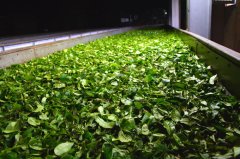
The fermentation process of black tea production technology Video black tea production method wilting process diagram
Unlike ordinary black tea, Darjeeling Tea's color is not black. It seems to be a combination of yellow, green and red tea. In particular, the first blush in Darjeeling is green. Its taste is also different from that of black tea. It is very similar to oolong tea. Why is Darjeeling Tea so special? In the past, it was thought that this was caused by the unique weather conditions and environment of Darjeeling.

Introduction to the types of sugar used in high-quality coffee
White granulated sugar, also known as sucrose, is a granular crystal and is the basic raw material for sugar production. According to the size of the crystal, there are three kinds of sugar: coarse sand, medium sand and fine sand, all of which are made from sugar cane or sugar beet. It is characterized by high purity, low moisture and few impurities. The content of domestic granulated sugar is more than 99.45% and the moisture content is less than 0.12%. According to the standard, it is divided into three types: excellent grade, first grade and second grade.
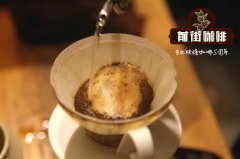
What are the basic substances of Taiwan coffee beans?
What are the basic ingredients of Taiwan coffee beans: moisture: the water content of Taiwan coffee beans will vary greatly according to the processing procedures of the processors themselves. The water content of raw coffee beans with film dampness is about 50%. The water content of dried coffee beans is about 1013% (normal standard), and the water content of roasted coffee beans is about 5%. The presence of water in coffee beans will affect the coffee beans because of the content.

Standardized production technology of Yunnan small-grain coffee, fresh fruit picking and initial processing and washing steps
Yunnan small grain coffee fresh fruit picking and initial processing washing treatment steps Yunnan coffee fresh fruit harvest is generally divided into three batches: early ripening fruit from the end of October to mid-December, and concentrated ripening period from mid-late December to the end of January. the overall quality of this batch of coffee is the best; in February, most of the remaining fruits are diseased fruits, and the yield is very little. Coffee picking needs to pay attention to: coffee

How does chlorogenic acid break down during baking? What is the relationship between water and chlorogenic acid? will produce
Professional coffee knowledge exchange More coffee bean information Please pay attention to coffee workshop (Weixin Official Accounts cafe_style) Front Street Coffee Brief Description Roasting Process and Decomposition of Chlorogenic Acid Chlorogenic acid will begin to decompose after heating. However, during the roasting process, moisture is continuously lost. Fast or slow moisture removal, more or less moisture removal will affect the flavor production (Mena reaction)

What kind of sugar in coffee? introduction to the kinds of sugar used in coffee.
White granulated sugar, also known as sucrose, is a granular crystal and is the basic raw material for sugar production. According to the size of the crystal, there are three kinds of sugar: coarse sand, medium sand and fine sand, all of which are made from sugar cane or sugar beet. It is characterized by high purity, low moisture and few impurities. The content of domestic granulated sugar is more than 99.45% and the moisture content is less than 0.12%. According to the standard, it is divided into three types: excellent grade, first grade and second grade.

The types of sugar used in coffee introduce the basic raw materials of sugar production
White granulated sugar, also known as sucrose, is a granular crystal and is the basic raw material for sugar production. According to the size of the crystal, there are three kinds of sugar: coarse sand, medium sand and fine sand, all of which are made from sugar cane or sugar beet. It is characterized by high purity, low moisture and few impurities. The content of domestic granulated sugar is more than 99.45% and the moisture content is less than 0.12%. According to the standard, it is divided into three types: excellent grade, first grade and second grade.

Coffee knowledge introduces the distinction between raw beans, new beans and old beans
After dry and wet processing, coffee fruit becomes coffee raw bean (Raw bean/Green bean). The main components of raw beans are: carbohydrates, about 49%; moisture, about 12%; protein. About 11%; chlorogenic acid, about 7.6% alkaloids and trace elements, about 0.4%. According to the length of time, raw beans can be divided into: seasonal beans (Current Cro)

Starbucks Coffee Roasting Process Water Production Area Manor Treatment Introduction
Starbucks coffee roasting process in the water production area manor treatment method introduced Tip 1: to achieve the highest caramelization-caramelization is an important factor affecting coffee flavor, because the green beans will absorb a lot of heat when roasting, then the first cracking sound (1st cracking), at this time, sugar begins to convert into carbon dioxide, water continues to evaporate, coffee aroma will gradually emit

What are the changes of soft beans, sun beans or low-altitude beans during baking?
Professional coffee knowledge exchange more information about coffee beans Please follow the similar changes in the roasting process of sun-dried beans, soft beans or low-altitude beans in the coffee workshop (Wechat official account cafe_style). I put them into the same group. Because the treatment time of sun-dried beans is longer than that of washed beans, and the relative moisture content is relatively low, especially in the part of the bean surface, so it is in the process of baking.

Fine Coffee Learn Coffee Green beans are classified into different types according to time
Coffee fruits are processed by wet and dry methods to become coffee beans (Raw beans/Green beans). The main components of raw beans are: carbohydrates, about 49%, moisture, about 12% and protein. About 11%; chlorogenic acid, about 7.6% Alkaloids and trace elements, about 0.4%. According to the length of time, raw beans can be specifically divided into: Current Cro

Boutique coffee common sense coffee raw beans the difference between new beans and old beans
After dry and wet processing, coffee fruit becomes coffee raw bean (Raw bean/Green bean). The main components of raw beans are: carbohydrates, about 49%; moisture, about 12%; protein. About 11%; chlorogenic acid, about 7.6% alkaloids and trace elements, about 0.4%. According to the length of time, raw beans can be divided into: seasonal beans (Current Cro)

Mantenin Coffee Flavor Description Price Taste Characteristics Variety Region Introduction
Mantenin coffee flavor description Price taste characteristics Variety production area introduction Local unique wet planing method is in the beans wet soft, moisture content as high as 30%-50%, first planing off the seed shell, and then continue to dry, so only two to four days can make coffee beans moisture content to 12%-13%, greatly shortening the drying time, coffee beans fermentation period and sour also greatly reduced, but the consistency
Coffee Bean Processing
After the plantation and harvest of the estate, the next step is the most important step besides the variety and planting area: "post-processing method." At present, most of the treatment methods are sun, semi-washing, water-based, and there are several special treatment methods: honey treatment, in vivo treatment, etc. There are also many people sharing these treatments on the Internet.

High-quality coffee raw beans: the difference between new beans and old beans
After dry and wet processing, coffee fruit becomes coffee raw bean (Raw bean/Green bean). The main components of raw beans are: carbohydrates, about 49%; moisture, about 12%; protein. About 11%; chlorogenic acid, about 7.6% alkaloids and trace elements, about 0.4%. According to the length of time, raw beans can be divided into: seasonal beans (Current Cro)
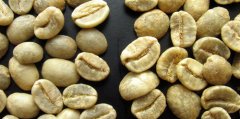
Coffee raw beans: the main components of raw beans between new beans and old beans
After dry and wet processing, coffee fruit becomes coffee raw bean (Raw bean/Green bean). The main components of raw beans are: carbohydrates, about 49%; moisture, about 12%; protein. About 11%; chlorogenic acid, about 7.6% alkaloids and trace elements, about 0.4%. According to the length of time, raw beans can be divided into: seasonal beans (Current Cro)
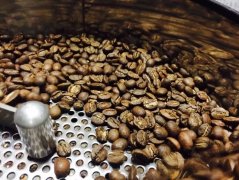
Detailed analysis of mineral carbohydrates in coffee beans
Moisture: the water content of coffee beans varies greatly with different processing stages and products. The moisture content of wet coffee beans with film is about 50%, while that of dried raw coffee beans is about 10%-13%. The water content of roasted coffee beans is only less than 5%. The existence of water in coffee beans is the same as other kinds of food and beverages, because it contains a considerable amount of hydration colloid macromolecules.

Detailed analysis of low molecular weight sugars in coffee beans
Moisture: the water content of coffee beans varies greatly with different processing stages and products. The moisture content of wet coffee beans with film is about 50%, while that of dried raw coffee beans is about 10%-13%. The water content of roasted coffee beans is only less than 5%. The existence of water in coffee beans is the same as other kinds of food and beverages, because it contains a considerable amount of hydration colloid macromolecules.

Professional coffee roasting | Analysis of water evapotranspiration during coffee roasting
For professional baristas, please follow the Coffee Workshop (official Wechat account cafe_style) to supplement the discussion on the degree of evaporation of water during baking at the Atti bug last night. The following picture shows a 12-minute (720-second) baking (LTLT: Low Temperature Long Time slow baking for a long time, which can be assumed to be using 230s.